When I was a kid, I loved day trips to Chicago. I remember my grandmother having to sign a clearance contract because I "accidentally" stumbled onto the “Transformers 3” set and got picked up by a camera. Movies about Chicago, or even just ones filmed there, have always been my favorite because I get to see a little slice of my childhood on the screen. But when it comes to movies from my real childhood, tucked away in the rural Midwest, I often find myself cringing at the media stereotypes.
I was recently encouraged to watch the movie, “Hillbilly Elegy”, for a class about whiteness in Rural America. However, I fail to see how this movie was anything more than a jaundiced example of media tactics. Stories of underdogs overcoming poverty, abuse, and addiction can be found on any street in America, not just the rural backroads. Yet, Hollywood only uses this type of plot-line as a heartstring blockbuster for people of color, such as “The Blind Side”, or to further depreciate the image of rural whiteness.
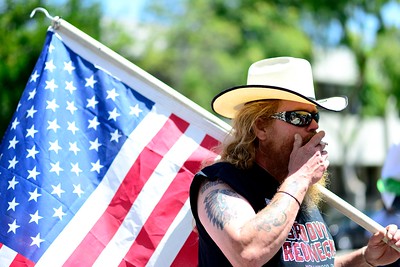
Rural America is shown by the media to be either "hicks and hayseeds" or "
criminal kingpins and murderers." Dramatic television shows such as Ozark and Sons of Anarchy depict a rural lifestyle of crime, whereas "reality" shows such as Here Comes Honey Boo Boo and Duck Dynasty uphold the hillbilly tropes. This is seen across Hollywood and has been around since the early 1900s. A 1904 film, "
The Moonshiner", depicts rural Americans breaking the law in order to drink. The behavior shown in media such as this culminates and fosters these rural cliches to the point where Rosann Kent, Appalachian studies professor at the University of North Georgia, asks, "
Why are we the last acceptable stereotype?"
This cliche becomes particularly harmful when the
political climate of America is considered. The US is increasingly politically polarized and this difference in opinion has been leading to violence. From the
January 6 insurrection to
protests that turned violent against speakers on college campuses, politics have become a method of assuming one’s moral character and can even determine one's
safety and
social acceptance. Rural Americans get portrayed as being alt-right and are even being credited as the
reason Trump won in 2016.
Rurality is painted by the media as being predominantly white, with a culture of poverty and addiction. Although there is some truth to both
poverty and
addiction rates in rural communities, many rural areas thrive culturally. A previous article can be found
here describing how music is an integral part of Appalachian culture. By whitewashing rurality, Hollywood loses any appreciation for
minority groups who inspire and elevate rural livelihoods.
Furthermore, there are many parallels exist in how rural Americans and people of color are depicted.
Unwhite: Appalachia, Race, and Film examines this further and
argues:
Appalachian people in cinema have been portrayed as phenotypically white, but using the same tropes that have long been used to portray non-whites in film . . . The similarity in the way these groups are portrayed draws a connection between the treatment of non-whites and the treatment of Appalachians, both of which maintain and protect a particular image of whiteness.
I have personally experienced the negative impact of this "white trash" stereotype. When I moved to California, I experienced a culture shock so large I felt like I was in a different country. Being thrust into high-level academia with a background that matched these stereotypes, I was
set up to be looked down upon. After the intro week of law school, I began to state that I was instead from Chicago, hoping that people would think I belonged there. I recategorized my uncle's hand-me-down tees into "vintage thrift finds" and made an aesthetic out of never owning clothes nice enough to ruin. However, I can't blame the people around me for making those assumptions. Most of my classmates are from urban areas and likely gathered their understanding of rurality through their media consumption. Even though many of the Hollywood portrayals are hyperbolic,
the cumulation of negative stereotypes is othering rural people, and the misunderstood cliches need to be retired.


_hq.JPG)
_hq.JPG)
_hq.JPG)
_hq.JPG)